Brain Fog vs Dementia: How to Tell the Difference
Last Updated: June 2026 Have you ever walked into a room and forgotten why you were there? Lost your train
Memory lapses, brain fog, trouble finding words, and changes in concentration can happen for many reasons.
Explore common symptoms, what may be part of normal aging, and when it may be helpful to talk with a healthcare professional.
Many memory complaints involve everyday situations that can feel frustrating or confusing. Explore each area to understand what might be happening.
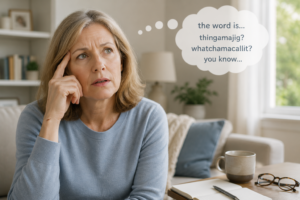
Occasional word-finding difficulties are common, especially under stress or with age. Names on the tip of your tongue that won't come.
Not all memory lapses signal cognitive decline. Understanding when forgetfulness is part of normal life versus something more.
Difficulty following conversations or recalling information can have multiple causes, from stress to sleep quality.
Putting things in unusual places and being unable to retrace steps. When is this normal and when is it concerning?
Taking longer to process information or learn something new can raise questions. Learn how normal aging differs from mild cognitive impairment.
Some changes go beyond everyday forgetfulness. Learn which patterns may be worth discussing with a healthcare professional.
Mental fatigue and concentration difficulties are among the most common cognitive complaints. Understanding their causes is the first step toward clarity.
A cloudy, hazy feeling that makes thinking feel effortful and slow.
Feeling mentally exhausted after simple tasks that used to be easy.
Trouble staying focused on tasks, conversations, or reading.
Processing information or finding the right words may sometimes feel like it takes more effort than before.
Last Updated: June 2026 Have you ever walked into a room and forgotten why you were there? Lost your train
Experiencing these signs does not automatically mean dementia is present, but they may warrant further evaluation.
Asking the same question repeatedly within a short time frame
Getting confused in familiar places or during routine activities
Struggling with activities that were once second nature
A clear decline that others have started to notice as well
Understanding the difference can help you make informed decisions about your next steps.
Typically not concerning
May warrant evaluation
Explore our most-read guides on memory concerns and cognitive health.
Last Updated: June 2026 Have you ever walked into a

Last Updated: June 2026 Most people don’t wake up one
Last Updated: June 2026 Have you ever found yourself in
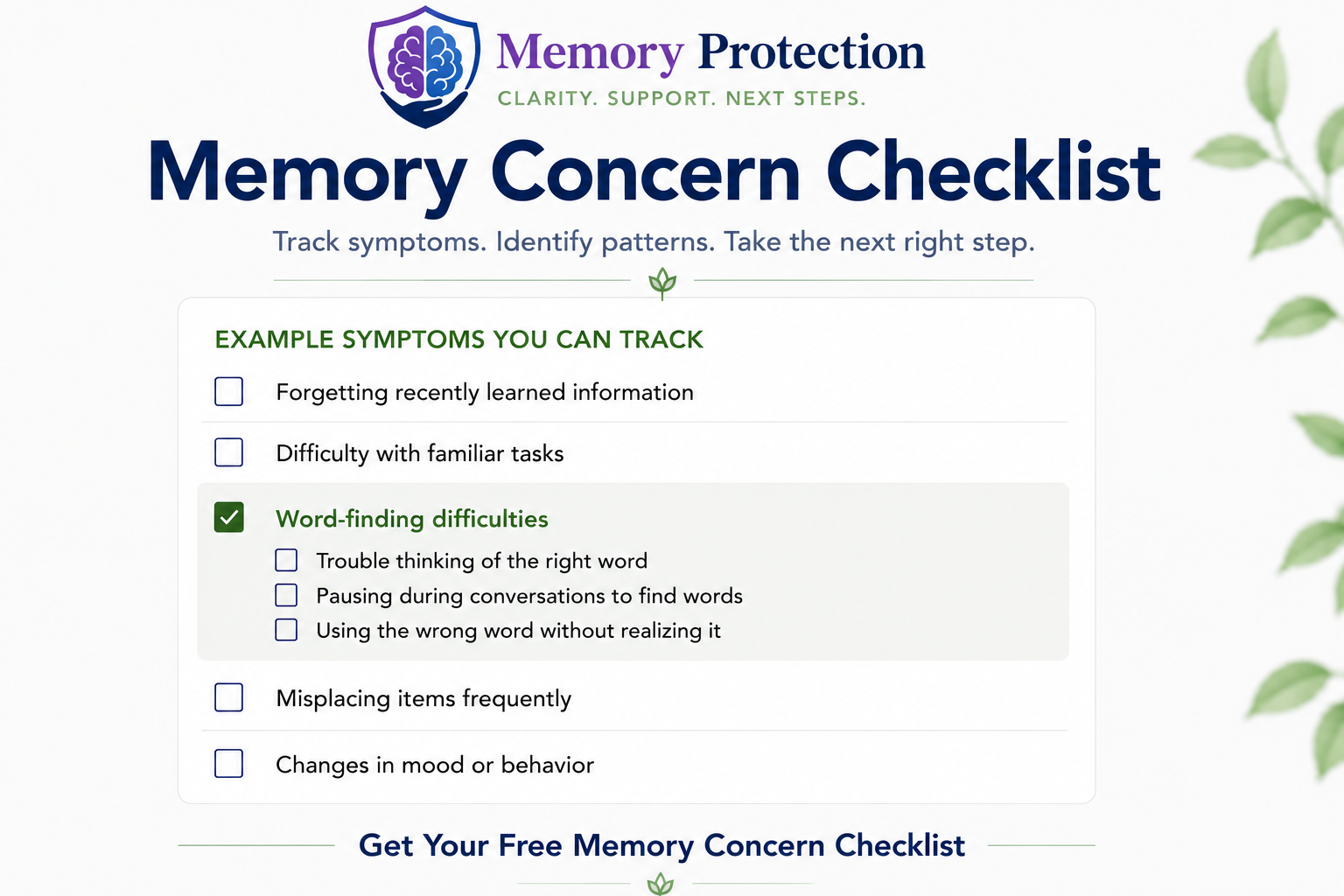
Our printable checklist helps you track memory changes systematically, identify patterns, and prepare for conversations with healthcare professionals.